Because of you…

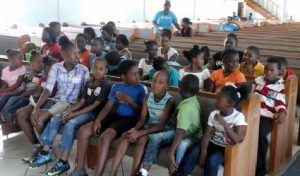
Ministry in Antigua is in a rebuilding stage to reach youth of St. John’s and the rest of the country.

Prayer Needs

  • For a National Director to take up the leadership of the program.
  • Continued influence for Christ in the city and area around St. John’s.
  • Forming alliances with other youth organizations to evangelize and disciple the youth of Antigua.

About Antigua

Antigua and Barbuda

Introduction

The Siboney were the first to inhabit the islands of Antigua and Barbuda in 2400 B.C., but Arawak Indians populated the islands when COLUMBUS landed on his second voyage in 1493. Early settlements by the Spanish and French were succeeded by the English who formed a colony in 1667. Slavery, established to run the sugar plantations on Antigua, was abolished in 1834. The islands became an independent state within the British Commonwealth of Nations in 1981.

Geography

Location

Location: Caribbean, islands between the Caribbean Sea and the North Atlantic Ocean, east-southeast of Puerto Rico

Geographic coordinates

17 03 N, 61 48 W

Area

Total Area: 442.6 sq km (Antigua 280 sq km; Barbuda 161 sq km) Rank: 199
Land Area: 442.6 sq km
Water Area: 0 sq km
Note: includes Redonda, 1.6 sq km
Comparison: 2.5 times the size of Washington, DC
Land Boundaries: 0 km
Coastline: 153 km

Climate

tropical maritime; little seasonal temperature variation

Terrain

mostly low-lying limestone and coral islands, with some higher volcanic areas

Elevations

Lowest Point: Caribbean Sea 0 m
Highest Point: Boggy Peak 402 m

Natural Resources

NEGL; pleasant climate fosters tourism

Land Use

Arable land: 18.18%
Permanent Crops: 4.55%
Other: 77.27% (2005)
Irrigated Land: NA
Renewable Water Resources: 0.1 cu km (2000)
Total Freshwater withdrawal (domestic/industrial/agricultural): 0.005 cu km/yr (60%/20%/20%)
Freshwater Withdrawal Per Capita: 63 cu m/yr (1990)

Environment

Natural Hazards: hurricanes and tropical storms (July to October); periodic droughts
Environmental Issues: water management - a major concern because of limited natural fresh water resources - is further hampered by the clearing of trees to increase crop production, causing rainfall to run off quickly
Environmental Agreements: Party to: Biodiversity, Climate Change, Climate Change-Kyoto Protocol, Desertification, Endangered Species, Environmental Modification, Hazardous Wastes, Law of the Sea, Marine Dumping, Ozone Layer Protection, Ship Pollution, Wetlands, Whaling

Geography Notes

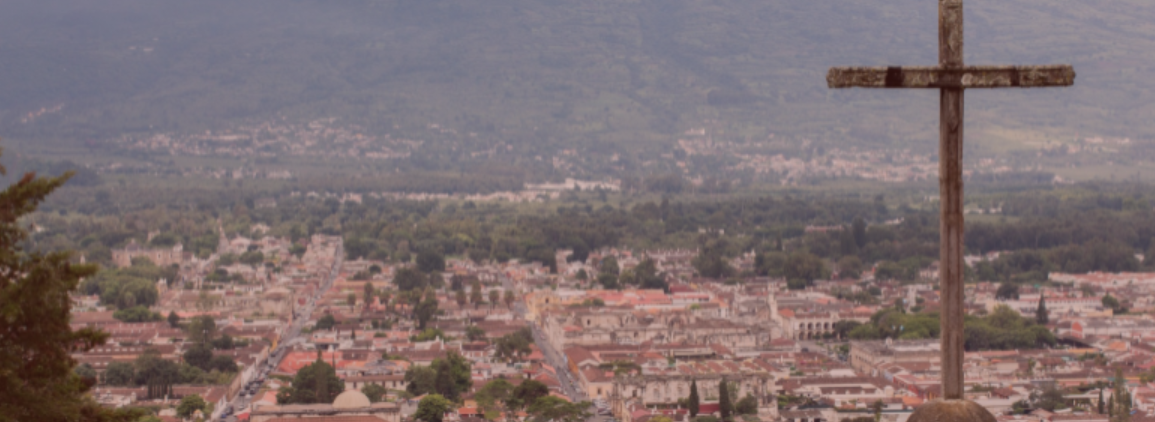
Antigua has a deeply indented shoreline with many natural harbors and beaches; Barbuda has a large western harbor

People

Population: 85,632 (July 2010 est.) Rank: 197

Age Structure

0-14 years: 26.8% (male 11,660/female 11,303)
15-64 years: 66.6% (male 26,597/female 30,414)
65 years and over: 6.6% (male 2,456/female 3,202) (2010 est.)
Median Age: 28.5 years

Population Growth

Growth Rate: 1.303% (2010 est.) Rank: 102
Birth Rate: 16.59 births/1,000 population (2010 est.) Rank: 128
Death Rate: 5.94 deaths/1,000 population (July 2010 est.) Rank: 164
Net Migration Rate: 2.38 migrant(s)/1,000 population (2010 est.) Rank: 35

Urbanization

Urban Population: 30% of total population (2008)
Rate of Urbanization: 0.9% annual rate of change (2005-10 est.)

Life and Death

Infant Mortality Rate: 16.25 deaths/1,000 live births Rank: 120
Life Expectancy at Birth: 74.76 years Rank: 88
Fertility Rate: 2.06 children born/woman (2010 est.) Rank: 125

Health and Disease

HIV/AIDS - Adult Prevalence Rate NA
People living with HIV/AIDS: NA
HIV/AIDS Deaths: NA

Nationality and Culture

Noun: Antiguan(s), Barbudan(s)
Adjective: Antiguan, Barbudan
Ethnic Groups: black 91%, mixed 4.4%, white 1.7%, other 2.9% (2001 census)
Religion: Anglican 25.7%, Seventh Day Adventist 12.3%, Pentecostal 10.6%, Moravian 10.5%, Roman Catholic 10.4%, Methodist 7.9%, Baptist 4.9%, Church of God 4.5%, other Christian 5.4%, other 2%, none or unspecified 5.8% (2001 census)
Languages: English (official), local dialects

Education

Literacy: 85.8%
Education expenditures: 3.9% of GDP (2002) Rank: 106

Government

Country Name

Conventional Long Form: none
Conventional Short Form: Antigua and Barbuda
Government Type: constitutional monarchy with a parliamentary system of government and a Commonwealth realm
Capital: Saint John's Geographic Coordinates: 17 07 N, 61 51 W

Administrative divisions

6 parishes and 2 dependencies*; Barbuda*, Redonda*, Saint George, Saint John, Saint Mary, Saint Paul, Saint Peter, Saint Philip
Independence: 1 November 1981 (from the UK)
National holiday: Independence Day (National Day), 1 November (1981)
Constitution: 1 November 1981
Legal system: based on English common law
Suffrage: 18 years of age; universal

Executive Branch

Chief of State: Queen ELIZABETH II (since 6 February 1952); represented by Governor General Louisse LAKE-TACK (since 17 July 2007)
Head of Government: Prime Minister Winston Baldwin SPENCER (since 24 March 2004)
Cabinet: Council of Ministers appointed by the governor general on the advice of the prime minister
Elections: the monarchy is hereditary; governor general chosen by the monarch on the advice of the prime minister; following legislative elections, the leader of the majority party or the leader of the majority coalition usually appointed prime minister by the governor general

Legislative Branch

bicameral Parliament consists of the Senate (17 seats; members appointed by the governor general) and the House of Representatives (17 seats; members are elected by proportional representation to serve five-year terms)
Elections: House of Representatives - last held on 12 March 2009 (next to be held in 2014)
Election Results: percent of vote by party - UPP 50.9%, ALP 47.2%, BPM 1.1%; seats by party - UPP 9, ALP 7, BPM 1

Judicial branch

Eastern Caribbean Supreme Court consisting of a High Court of Justice and a Court of Appeal (based in Saint Lucia; two judges of the Supreme Court are residents of the islands and preside over the Court of Summary Jurisdiction); Magistrates' Courts; member of the Caribbean Court of Justice

Politics

Political Parties and Leaders: Antigua Labor Party or ALP [Lester Bryant BIRD]; Barbuda People's Movement or BPM [Thomas H. FRANK]; Barbuda People's Movement for Change [Arthur NIBBS]; Barbudans for a Better Barbuda [Ordrick SAMUEL]; United Progressive Party or UPP [Baldwin SPENCER] (a coalition of three parties - Antigua Caribbean Liberation Movement or ACLM, Progressive Labor Movement or PLM, United National Democratic Party or UNDP)
Political Pressure Groups and Leaders: Antigua Trades and Labor Union or ATLU [William ROBINSON]; People's Democratic Movement or PDM [Hugh MARSHALL]
International Organization Participation: ACP, AOSIS, C, Caricom, CDB, FAO, G-77, IBRD, ICAO, ICCt, ICRM, IDA, IFAD, IFC, IFRCS, ILO, IMF, IMO, Interpol, IOC, ISO (subscriber), ITU, ITUC, MIGA, NAM, OAS, OECS, OPANAL, OPCW, PetroCaribe, UN, UNCTAD, UNESCO, UPU, WFTU, WHO, WIPO, WMO, WTO
Flag Description: red, with an inverted isosceles triangle based on the top edge of the flag; the triangle contains three horizontal bands of black (top), light blue, and white, with a yellow rising sun in the black band; the sun symbolizes the dawn of a new era, black represents the African heritage of most of the population, blue is for hope, and red is for the dynamism of the people; the "V" stands for victory; the successive yellow, blue, and white coloring is also meant to evoke the country's tourist attractions of sun, sea, and sand

Economy

Economy Overview: Tourism continues to dominate Antigua and Barbuda's economy, accounting for nearly 60% of GDP and 40% of investment. The dual-island nation's agricultural production is focused on the domestic market and constrained by a limited water supply and a labor shortage stemming from the lure of higher wages in tourism and construction. Manufacturing comprises enclave-type assembly for export with major products being bedding, handicrafts, and electronic components. Prospects for economic growth in the medium term will continue to depend on tourist arrivals from the US, Canada, and Europe and potential damages from natural disasters. After taking office in 2004, the SPENCER government adopted an ambitious fiscal reform program, and was successful in reducing its public debt-to-GDP ratio from 120% to about 90% in 2008. However, the global financial crisis that began in 2008, has led to a significant increase in the national debt, which is expected to top 130% by the end of 2010. The Antiguan economy experienced solid growth from 2003 to 2007, reaching over 12% in 2006 driven by a construction boom in hotels and housing associated with the Cricket World Cup, but growth dropped off in 2008 with the end of the boom. In 2009, Antigua's economy was severely hit by the global economic crisis, suffering from the collapse of its largest financial institution and a steep decline in tourism. This decline is expected to continue in 2010 as the country struggles with a yawning budget deficit.

Gross Domestic Product

GDP (purchasing power parity): $1.522 billion (2009 est.) Rank: 193
GDP - real growth rate: -6.7% (2009 est.) Rank: 199
GDP - per capita (PPP): $17,800 (2009 est.) Rank: 66
GDP - Composition by Sector: Agriculture: 3.8% Industry: 22% Services: 74.3% (2002 est.)

Labor Force

Labor Force: 30,000 (1991) Rank: 203
Labor force - by occupation: Agriculture: 7% Industry: 11% Services: 82% (1983)
Unemployment Rate: 11% (2001 est.) Rank: 122

Poverty

Population below poverty line: NA

Transnational Issues

International Disputes: none

Want to know more? Show Full Profile